
Cusco
The City of Cusco
Saqsaywaman
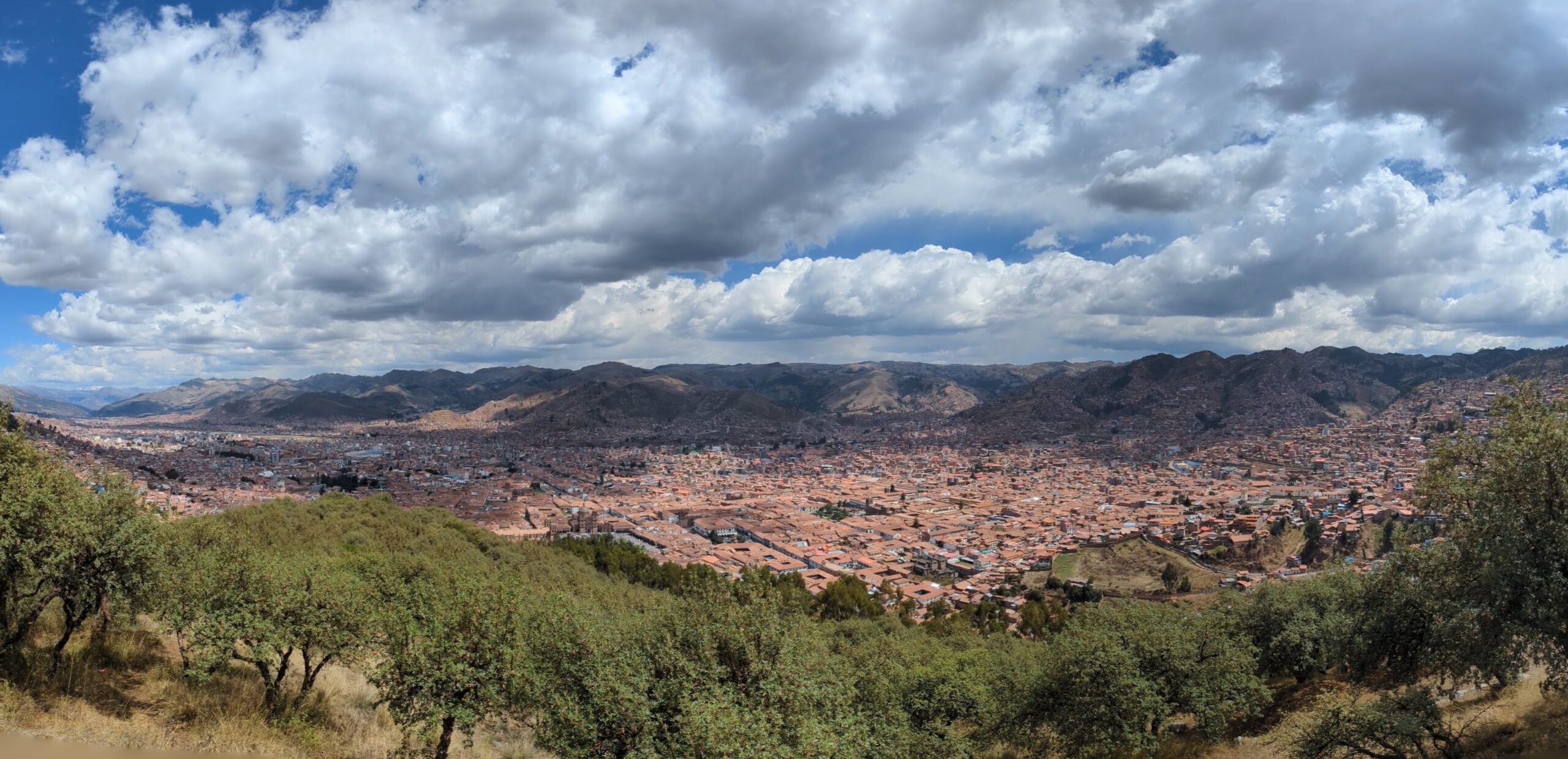
Overlooking the city is Saksaywaman, a citadel that is generally accepted to have been constructed in Inca times, primarily as a ceremonial and religious site.
Cusco itself was built in the shape of a Puma – Saksaywaman is positioned as the head of the Puma.
The site is about 300m higher than the main part of Cusco. The walk from the main square is fairly short, so hiking up on one of your first days in Cusco is a good way of acclimatising to the altitude ahead of any more substantial treks.
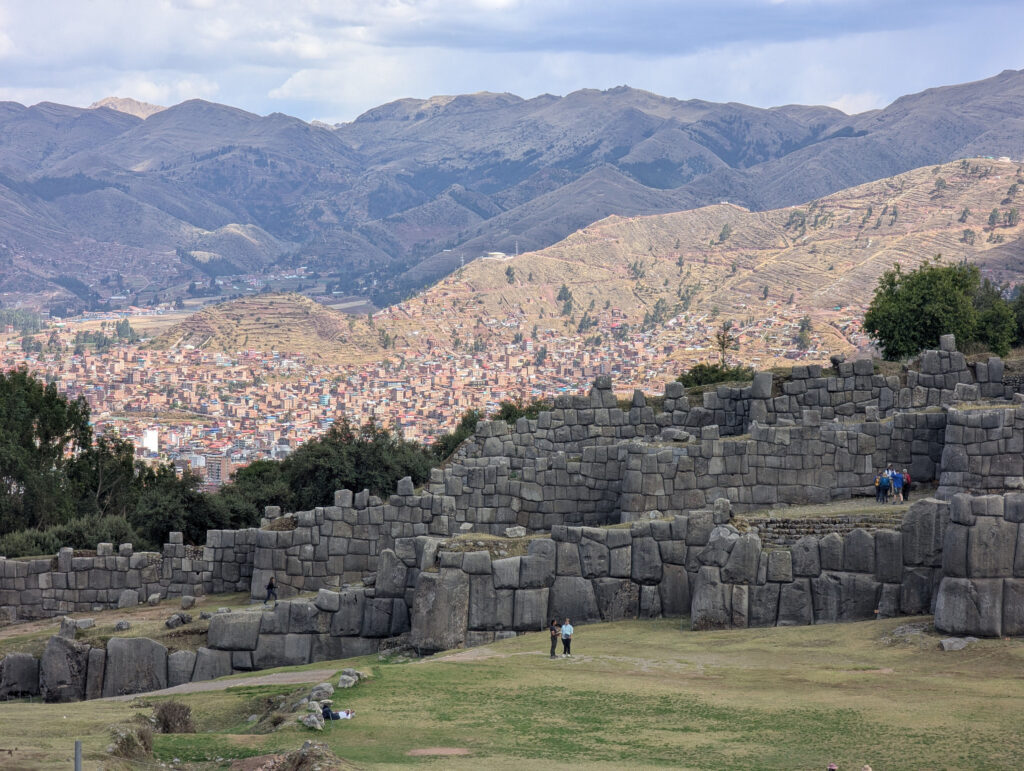
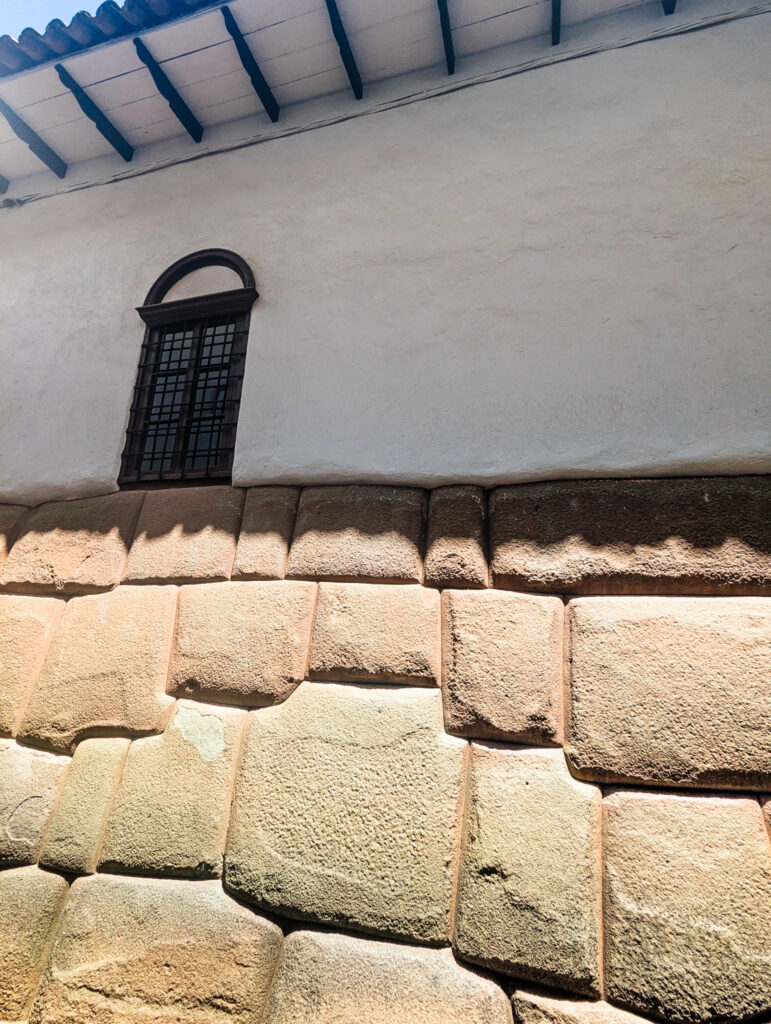
Though some debate remains over the exact origins and purpose of Saksaywaman, patterns have been identified in the stones of the walls that align with Incan and cosmological symbology.
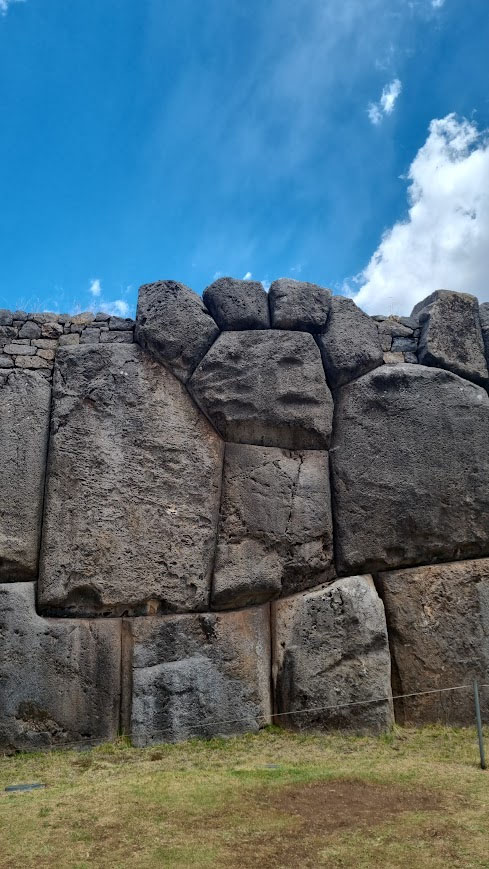
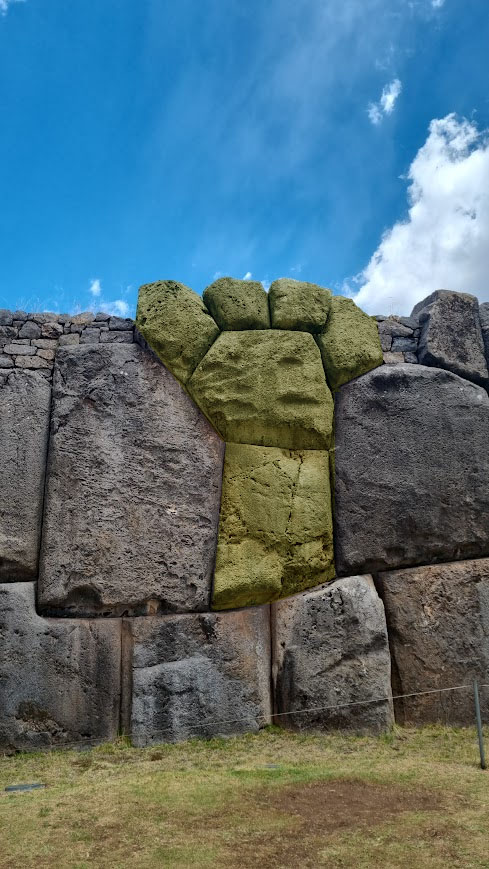
Our guide explained to us that the layout of stones shown below is known as an “Eternal Portal”, because of there being exactly 7 stones surrounding a central axis stone. This is not something I’ve found reference to in formal text; it seems to be a concept passed on through local oral storytelling tradition.
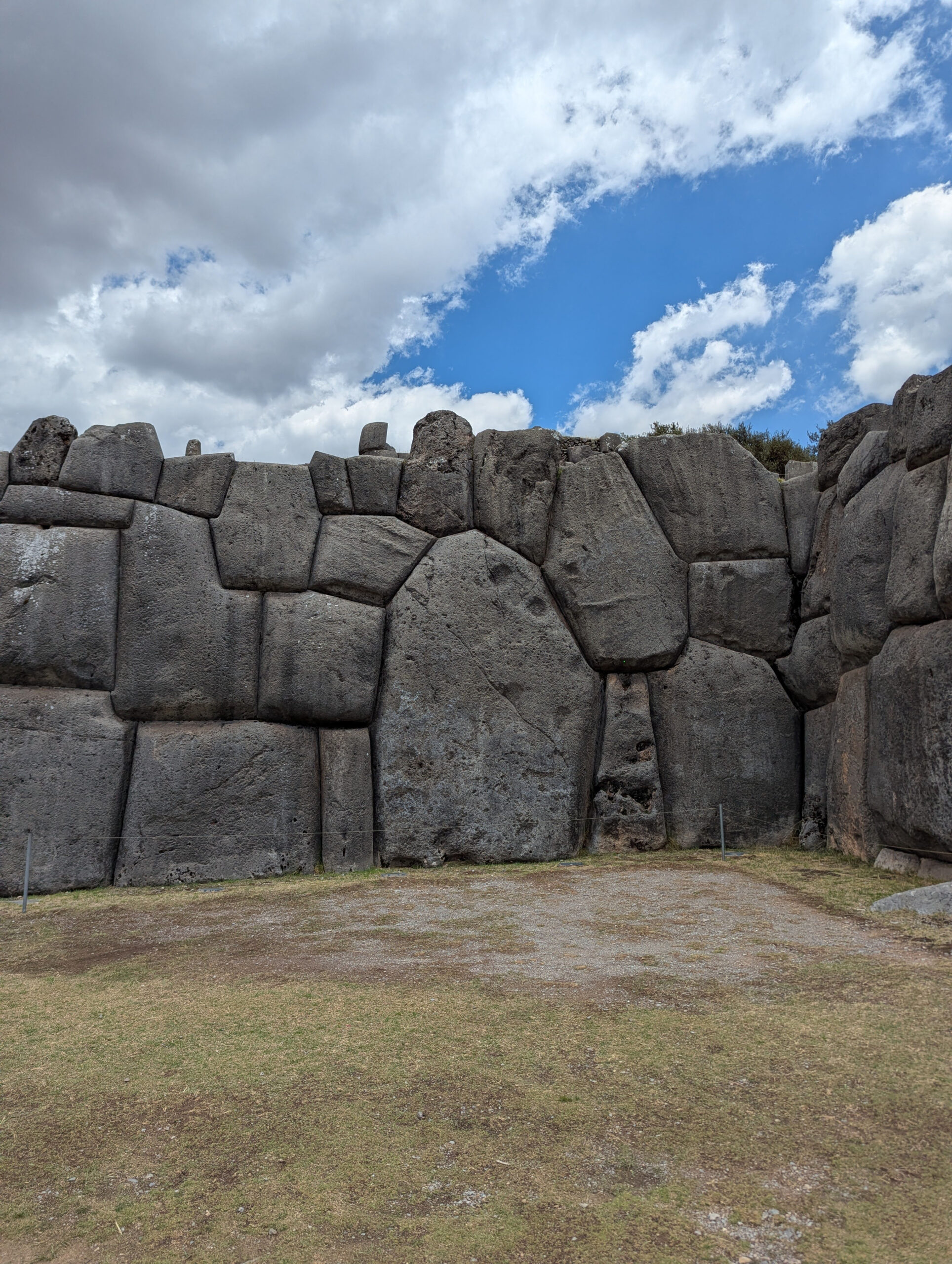
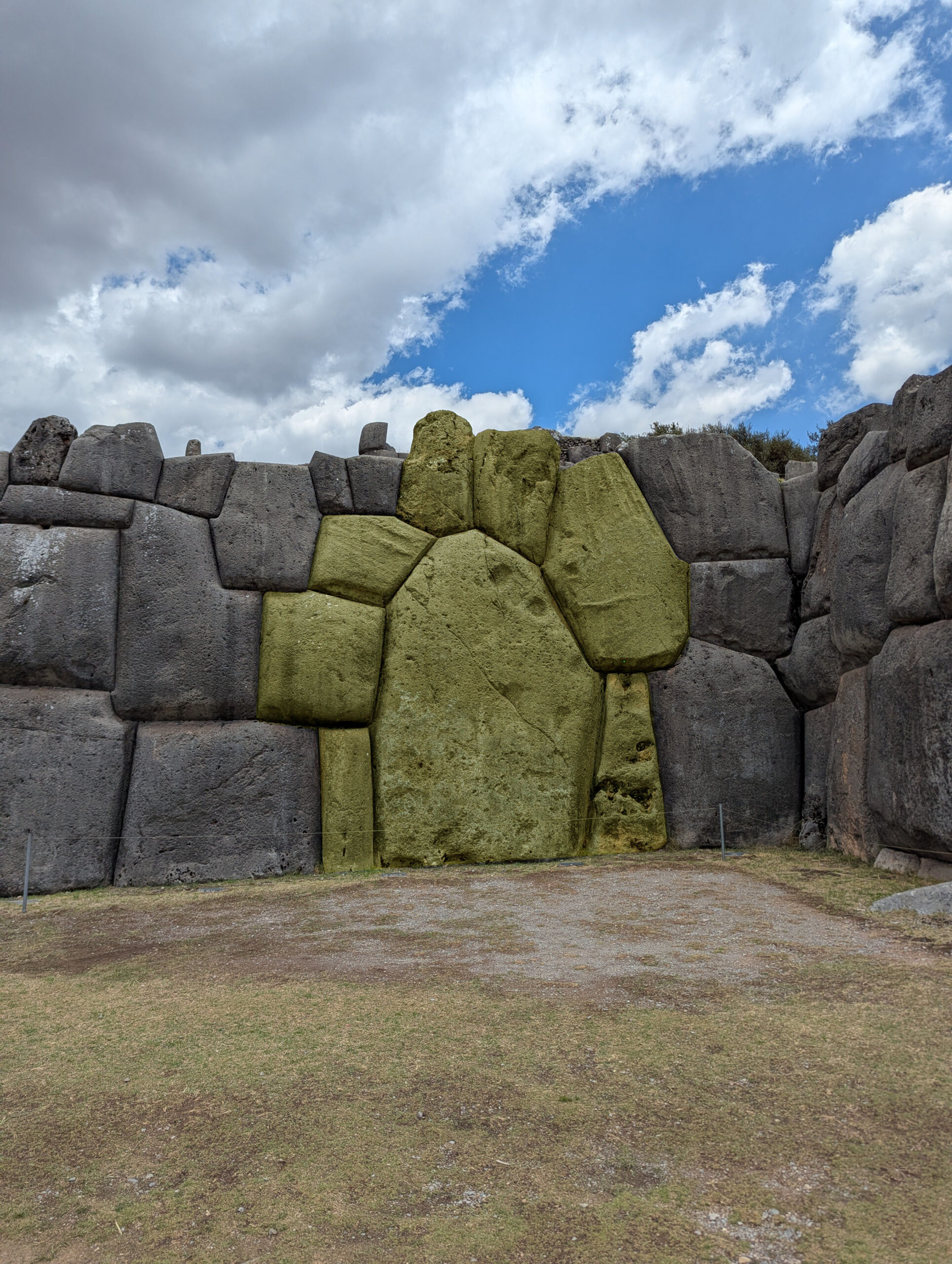
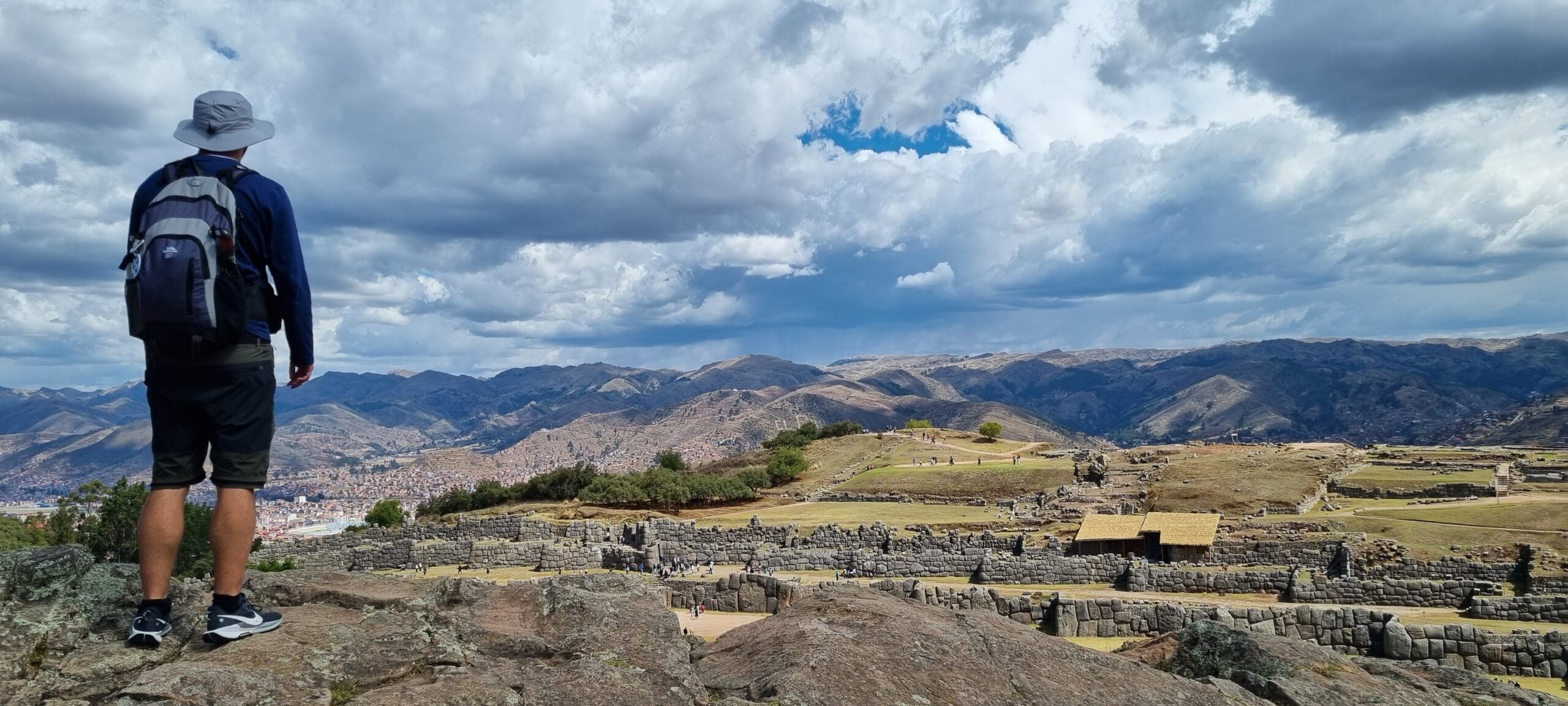
The site itself is quite big and you can spend a few hours exploring it all. There are spectacular views across the city and plenty of places to rest if there is good weather.
Sacred Valley
We visited Valle Sagrado (The Sacred Valley) in a one day tour that was excellent value for money (around £20 including a buffet lunch), but potentially a little rushed. Many people instead opt to stop stay overnight in the valley and spread the visits across two days, which might be sensible if you have time.
We visited the four main sites of the Sacred Valley: Chinchero, Moray, Ollantaytambo and Pisac, as well as a quick stop at a textile factory and some salt flats.
The first stop was Chinchero. This was originally an Incan site featuring ceremonial temples. The conquistadors tor down the temples and replaced them with a colonial church, which was built on top of the existing Incan foundations.
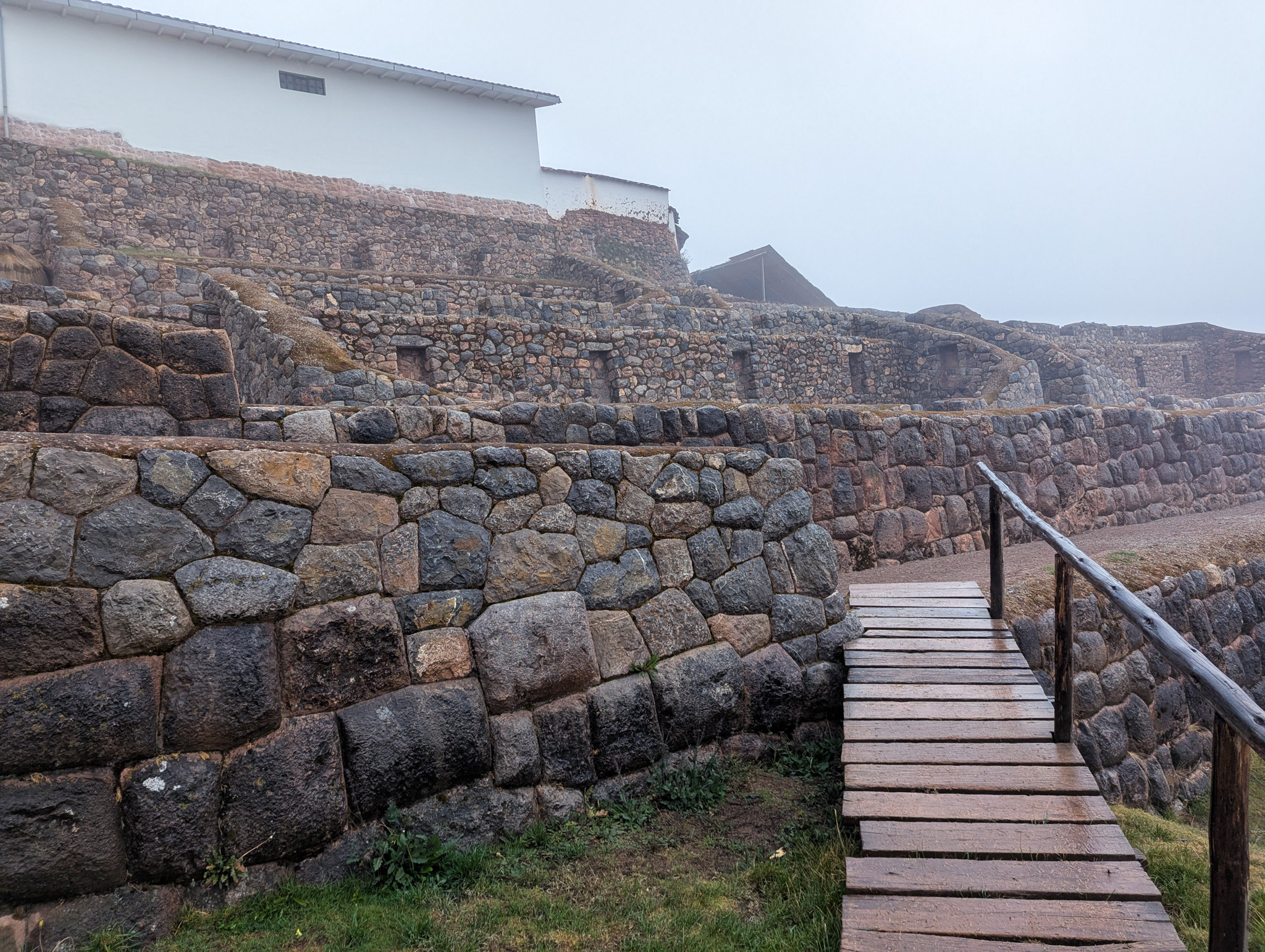
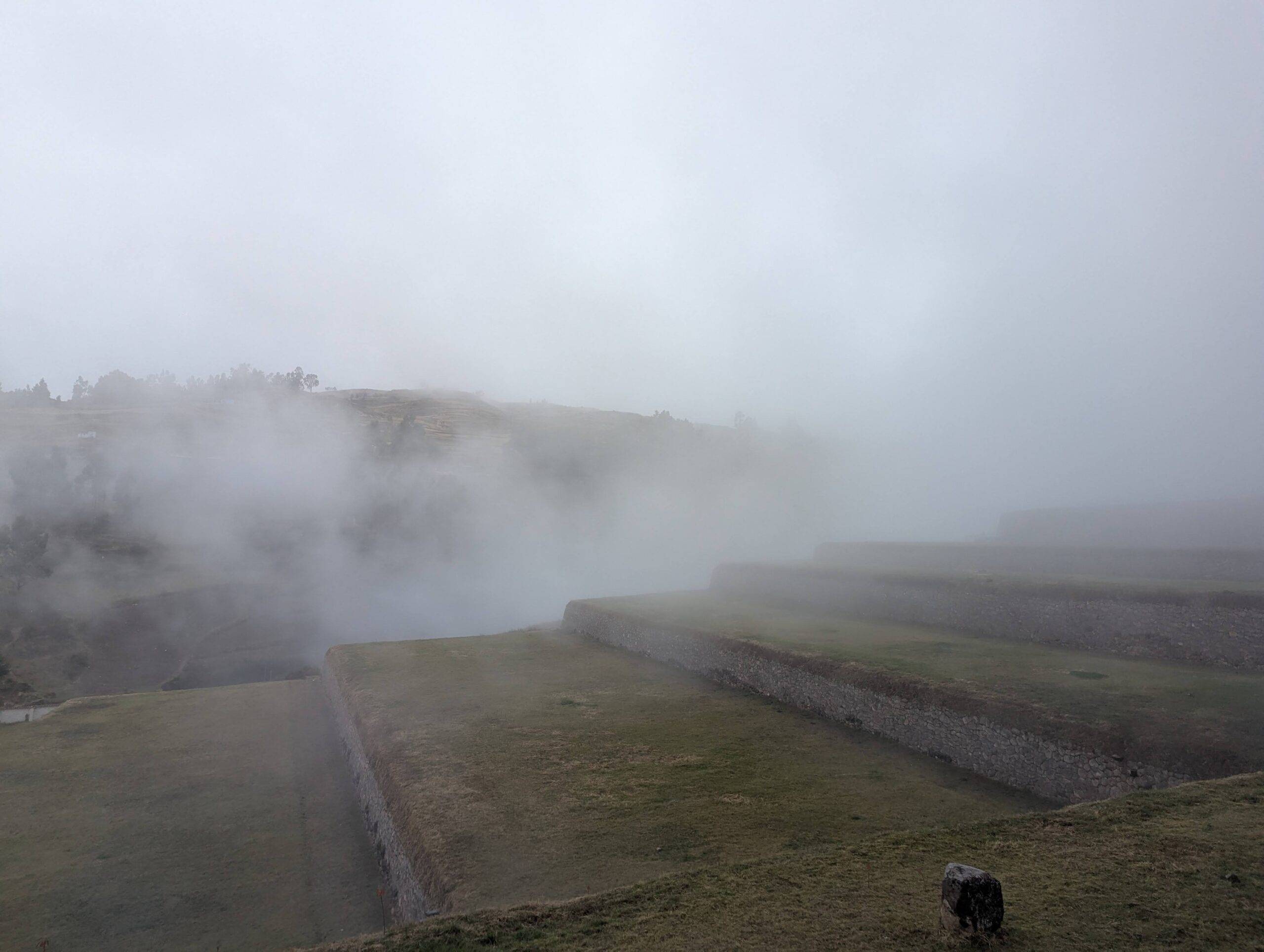
The weather was not ideal while we were at Chinchero; rain and fog blocking what would otherwise have been a spectacular view of the Andes! The typical terraces used by the Incas to grow food were still partially visible under the fog!
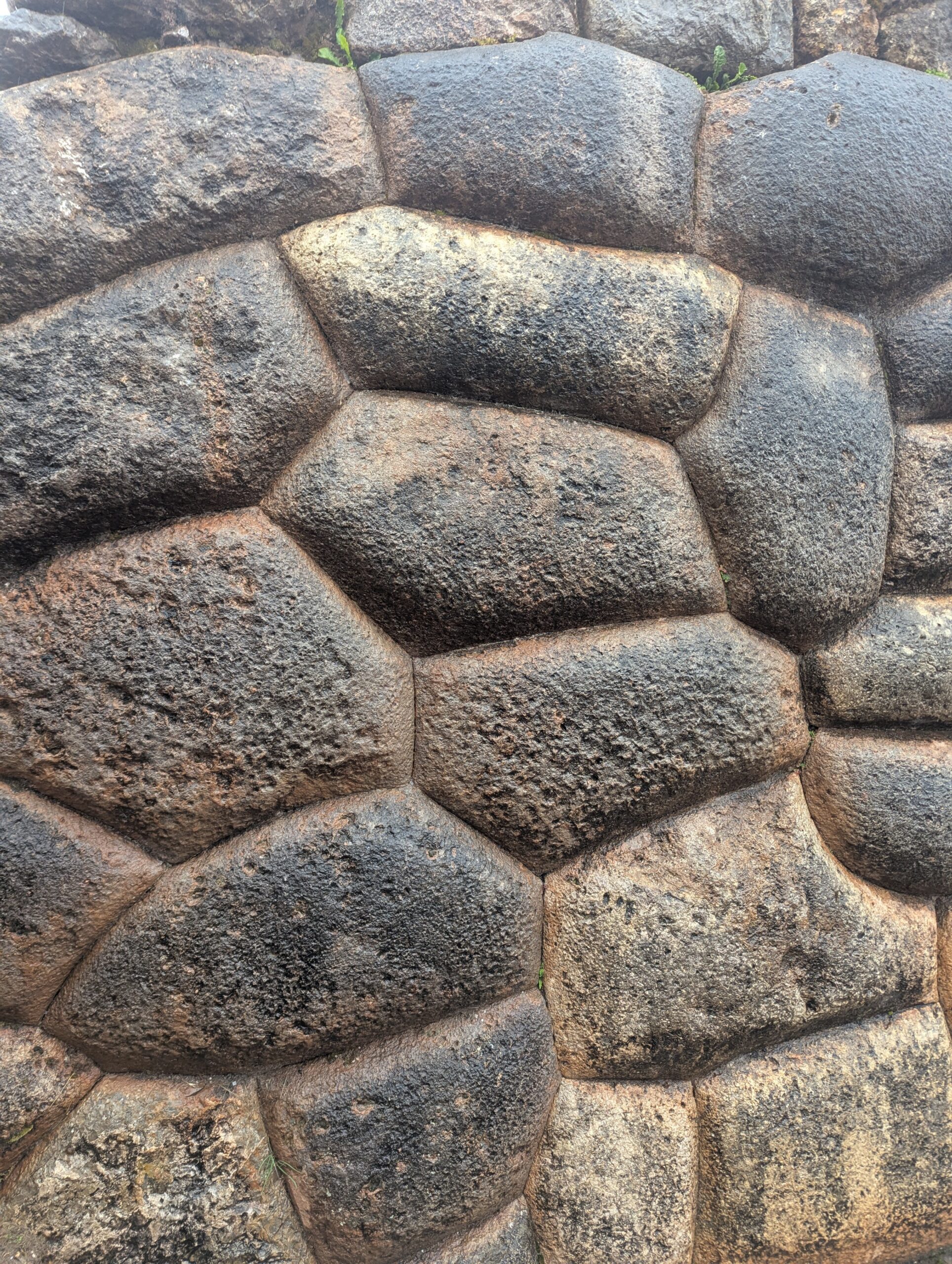
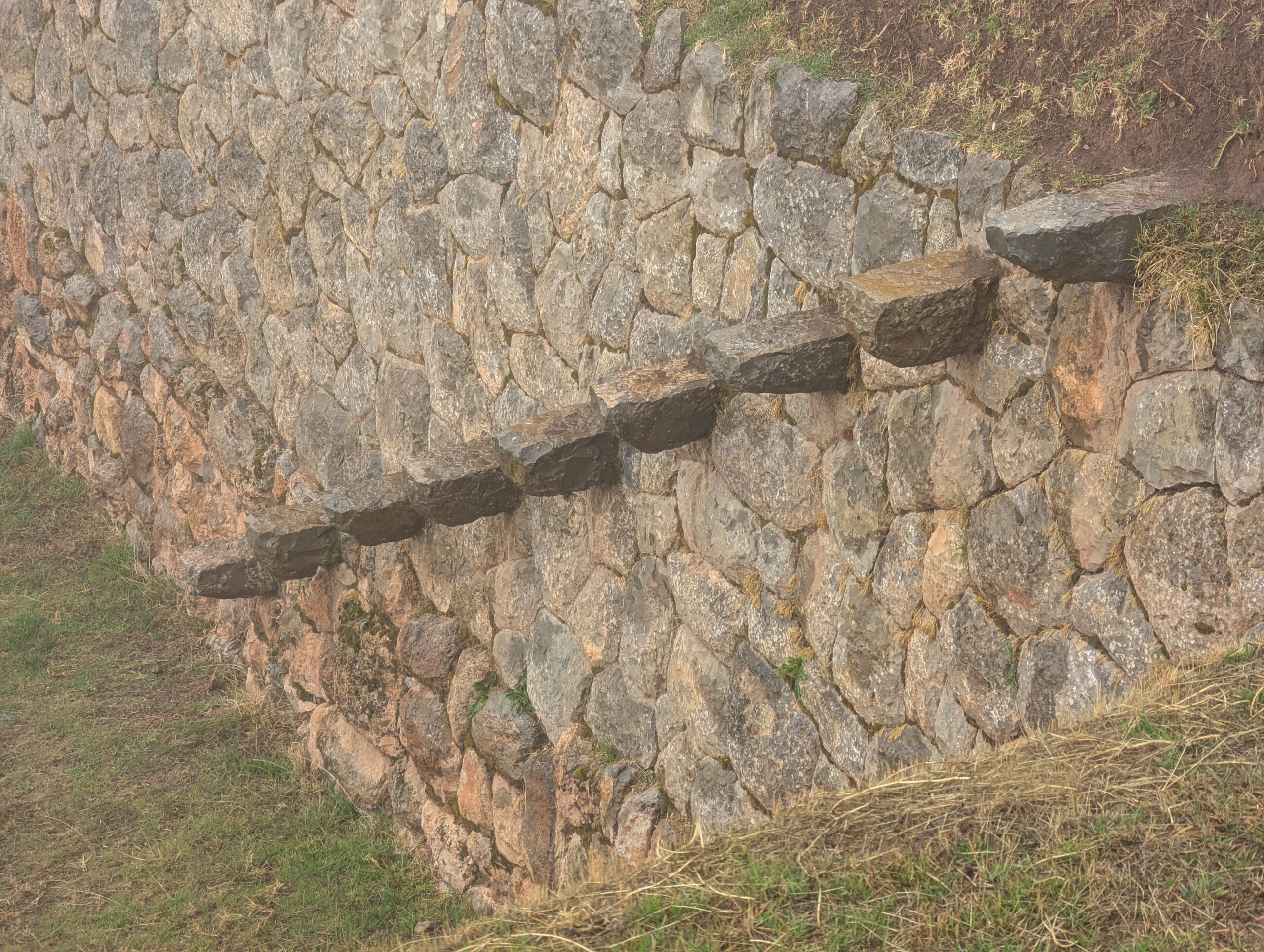
Chinchero features some classic Incan wall designs, with stones shaped so that they exactly fit together without the use of mortar, and with protruding rocks used in the place of stair cases to maximise space on the terraces for agricultural use.
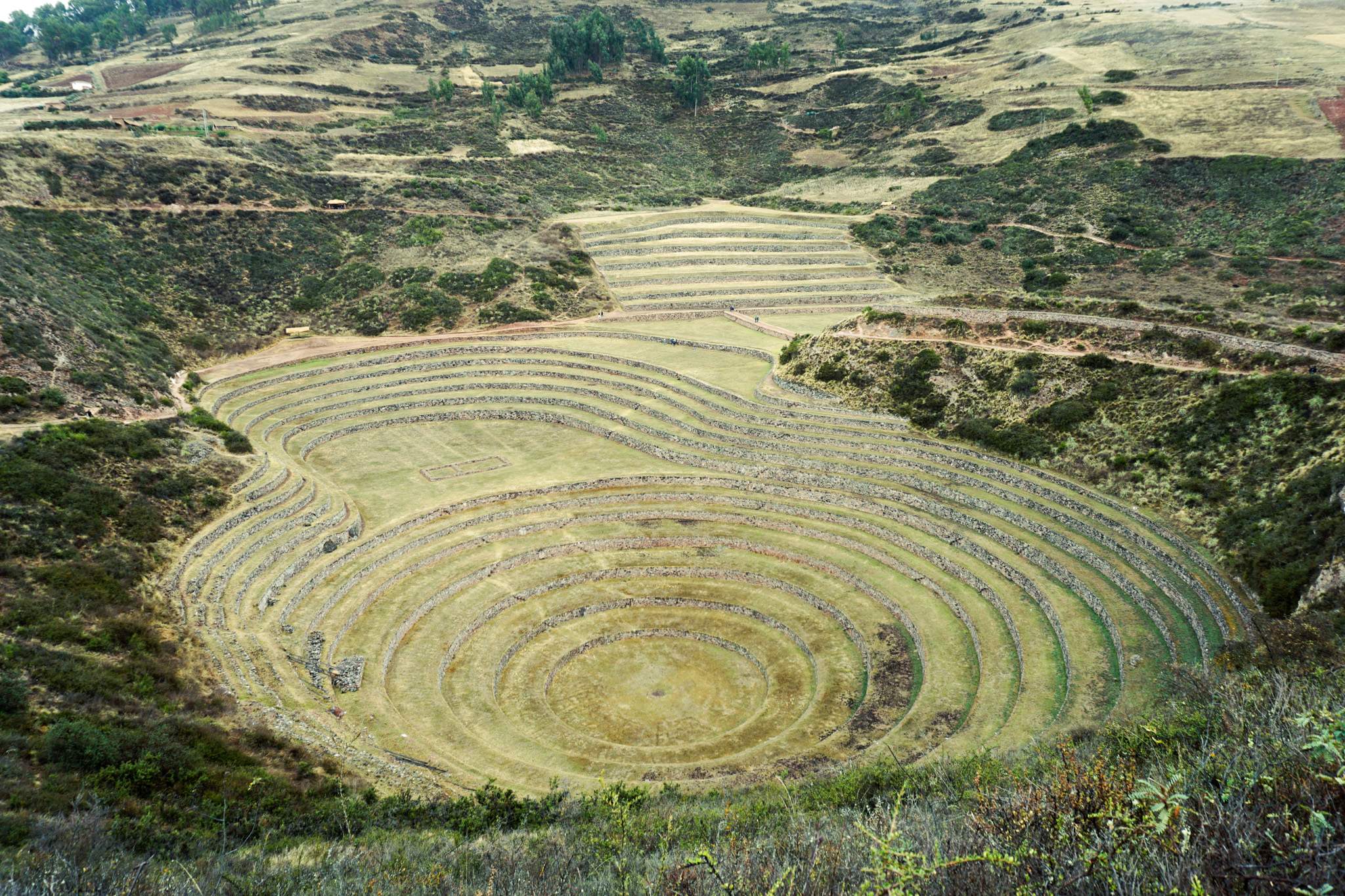
The second stop on the tour was the archaeological zone of Moray, a large open area of terraces descending into the ground.
It is widely believed that these terraces were used by the Incas to experiment with agriculture. The terraces feature irrigation systems, and the specific shape of the depression means that there can be large temperature differences between the lower terraces and the higher terraces, mimicking the effect of large altitude changes.
Peru has a vast and varied climate with arid plains, mountainous regions and tropical rainforests. As such there was great interest from the Incas in getting crops to grow in different or broader environments. Many crops commonly used today were developed or domesticated by the Incas. Peru, the birthplace of the potato, is now home to roughly 4000 different types of potato.
The town of Ollantaytambo, the third stop on the tour, has functioned continuously since Inca times. It had many purposes: royal estate, religious centre, military stronghold and living town
It is strategically located at a narrow Western entrance to the sacred valley; anyone moving from between the jungle and the valley had to pass, making it a practical location for monitoring, blocking or taxing movement.
The town is a very strong defensive point and the original conquistadors were unable to take it by force. It was not until the Incan empire had more broadly been defeated and withdrawn that the town was firmly controlled by Spain. Unlike at other Inca sites, the ceremonial buildings, which are built on steep terrain, were not replaced with imperial churches. As a result, Ollantaytambo is one of the best preserved Inca sites.
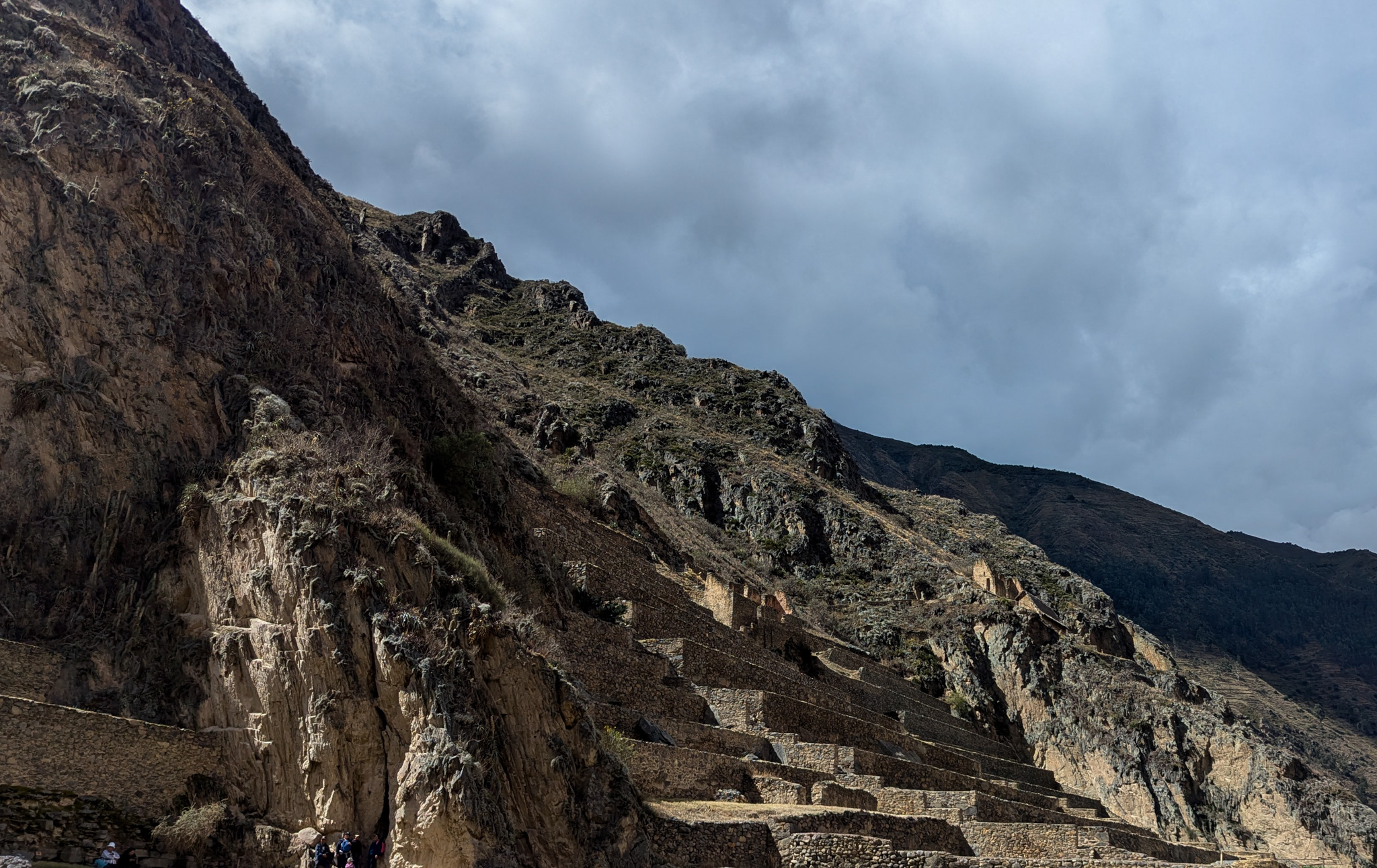
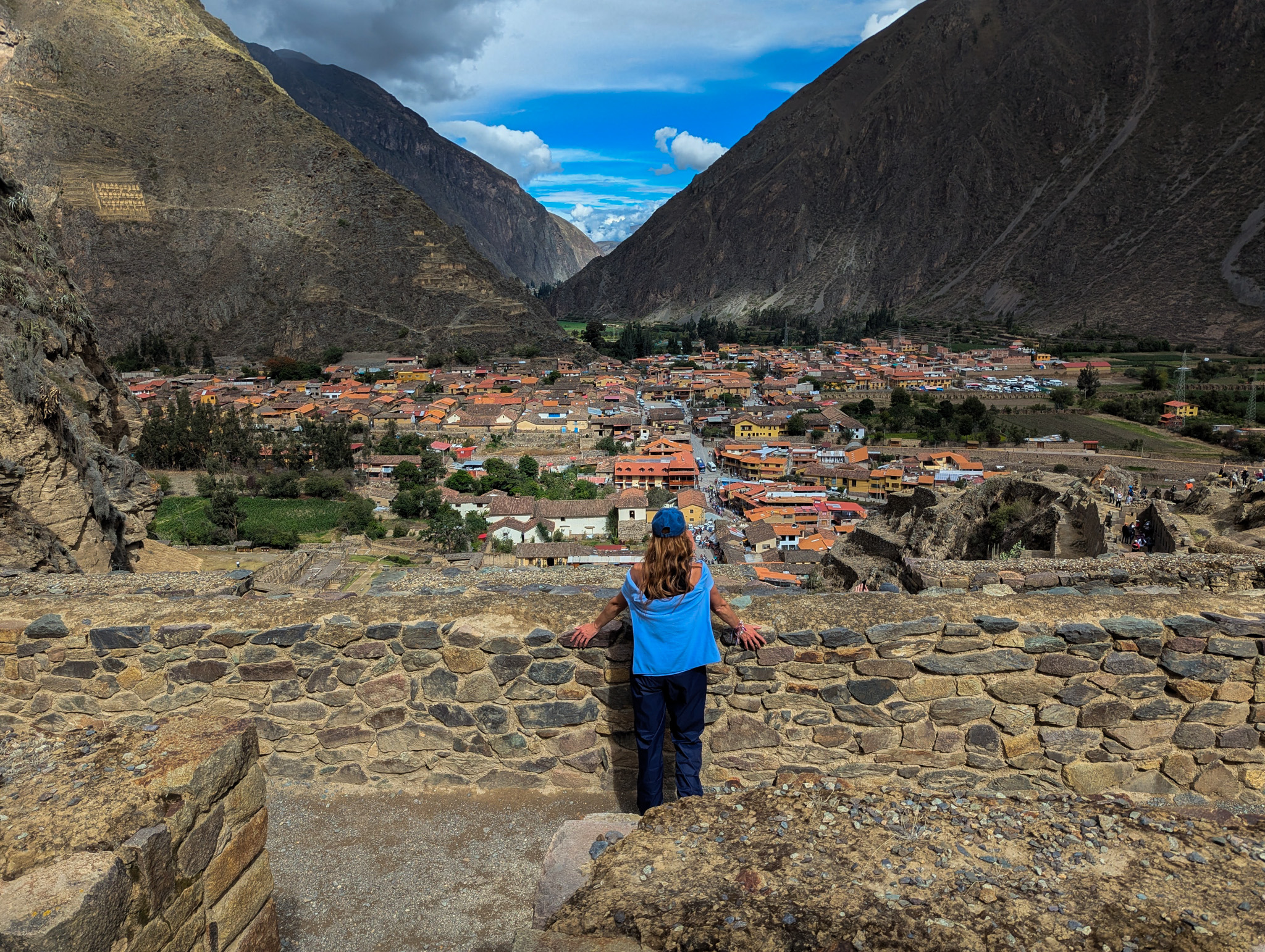
The final stop on the tour was Pisac, one of the most dramatic Inca sites in the Sacred valley. It was had religious, agricultural, military and trade uses.
It is an enormous site, with huge agricultural terraces, located at the Eastern entrance of the sacred valley.
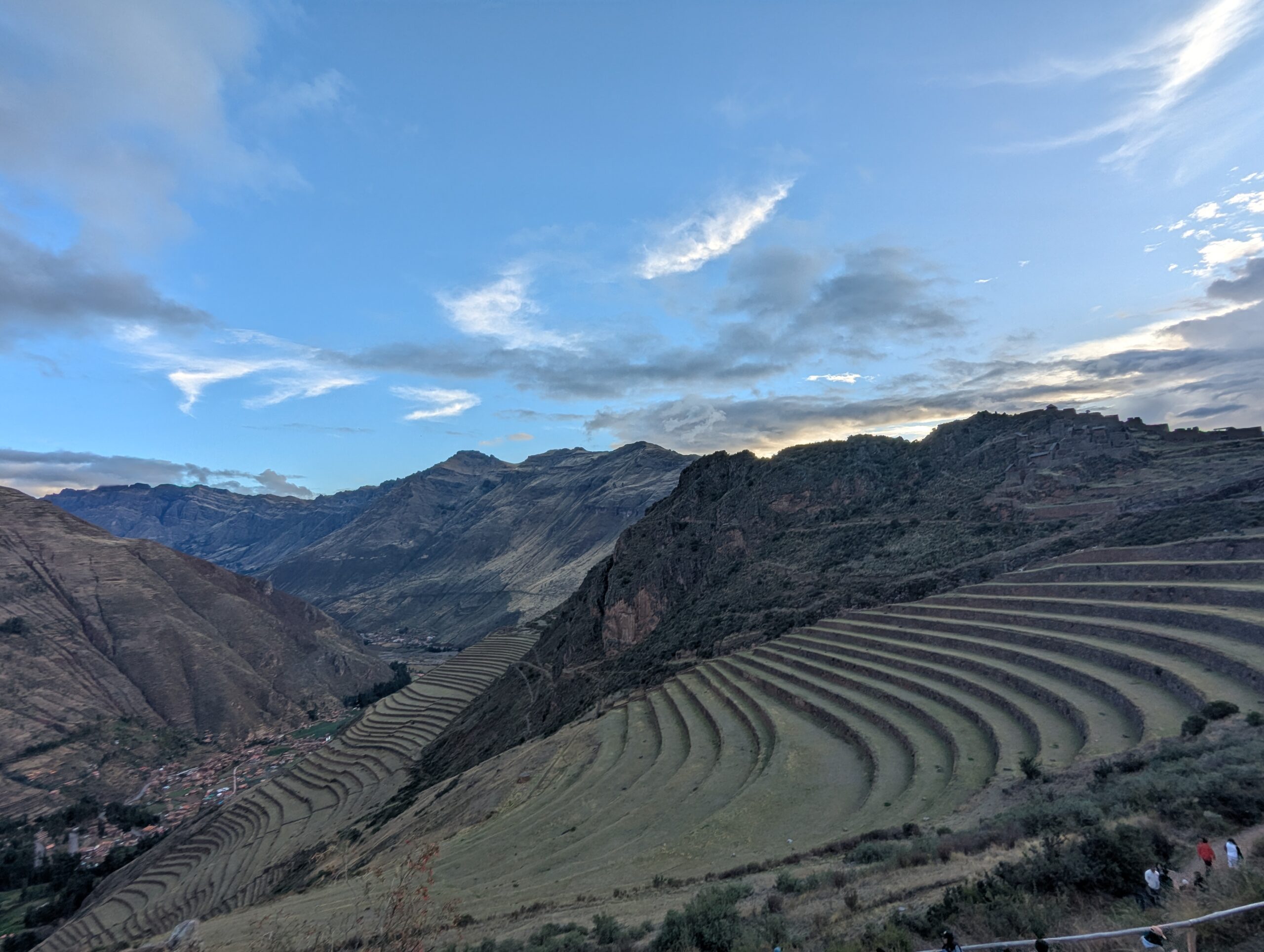
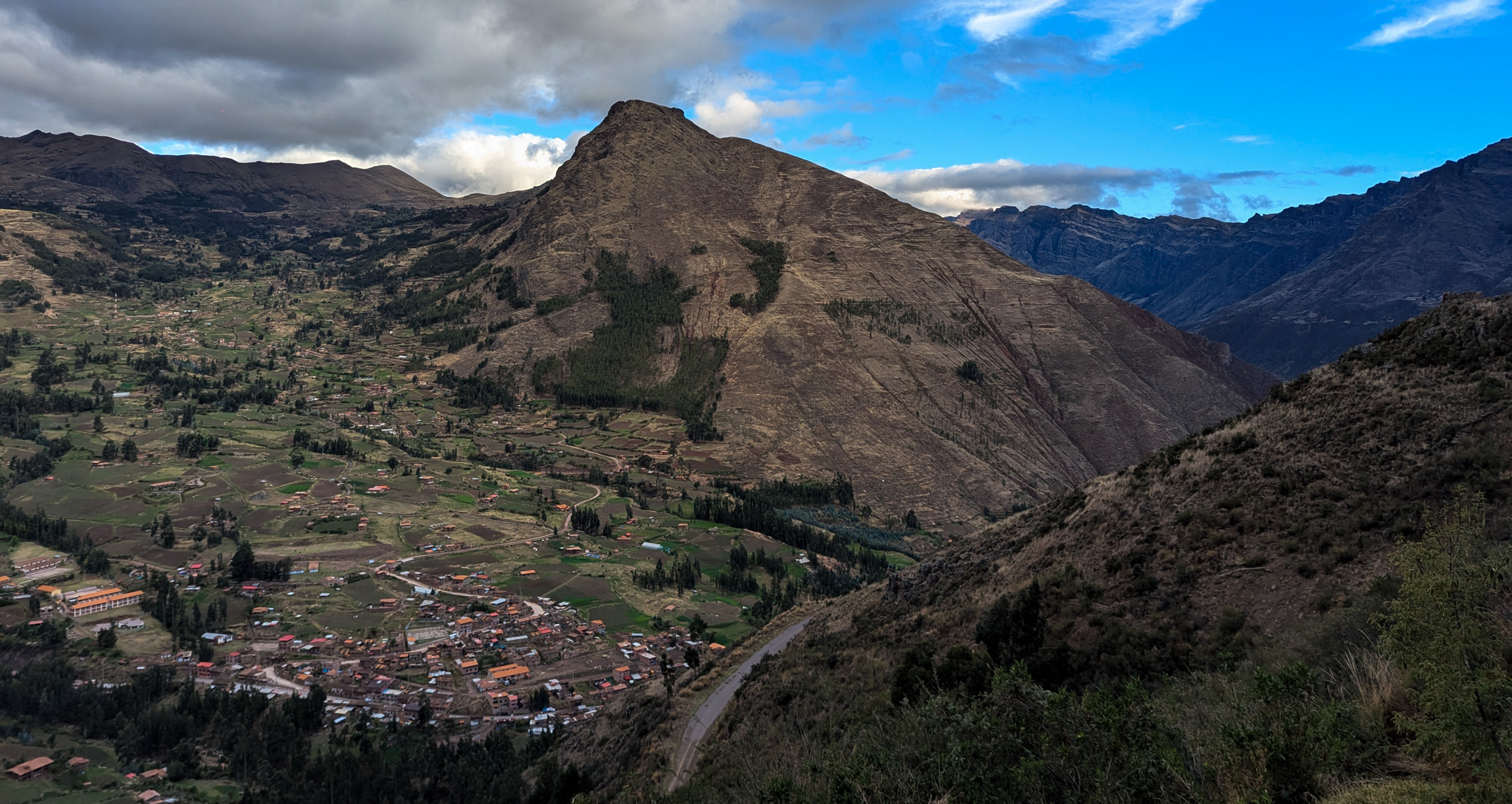
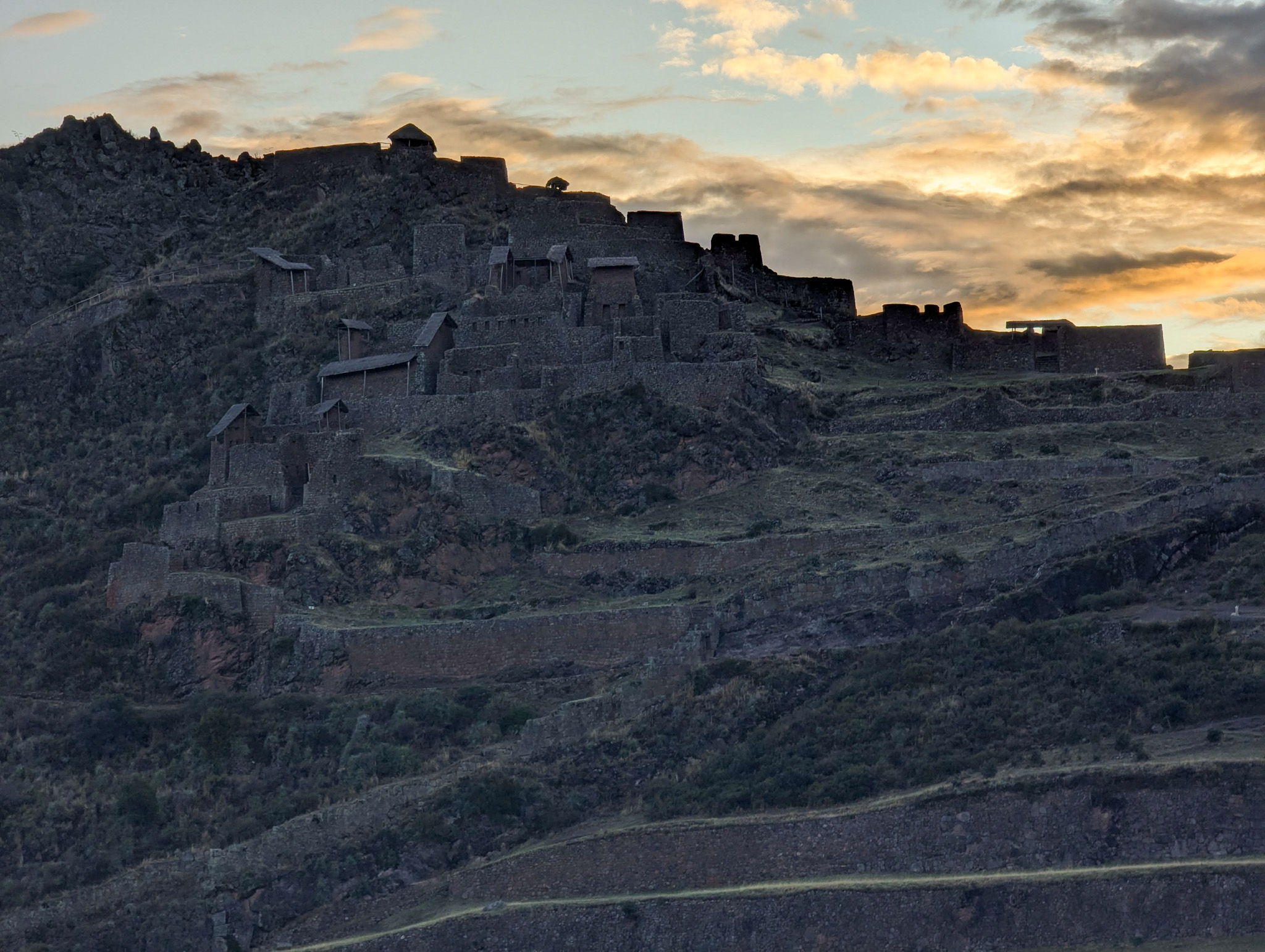
We arrived at Pisac quite late in the day and did not have time to explore the upper ceremonial areas, defensive lookouts nor were we able to hike down into the main town. I would recommend splitting the Sacred Valley into at least two days if you can, maybe spending the night in the town of Ollantaytambo before visiting the ruins of the town and visiting Pisac the following day.
Siete Lagunas
Might be better to combine with a tour of rainbow mountain as its a 3 hour journey each way.
We looked for ways to make siete lagunas and rainbow mountain stops on our journey to Puno, but we did not find any options other than a taxi, but it would feel like a smoother way of travelling across Peru!
Puno!